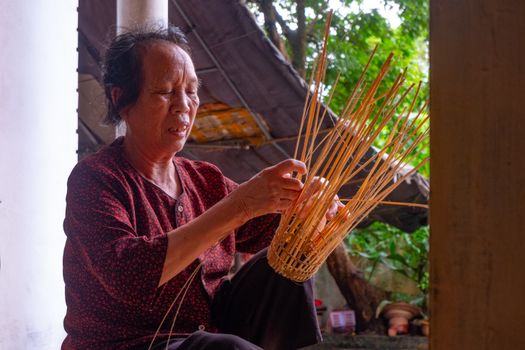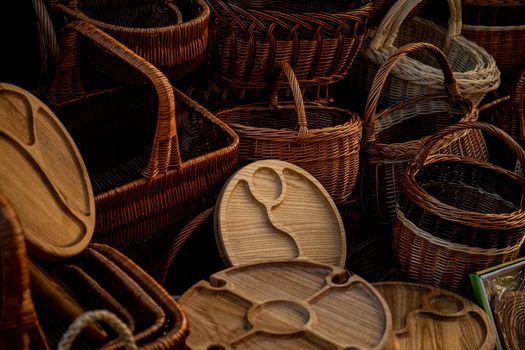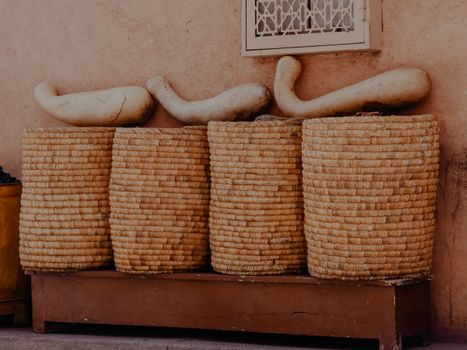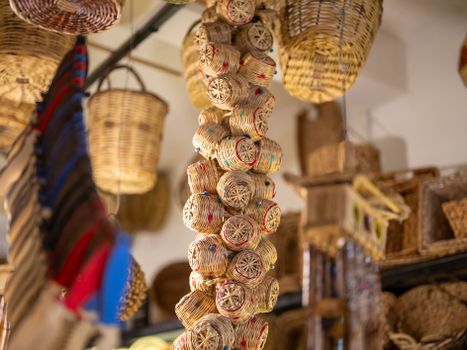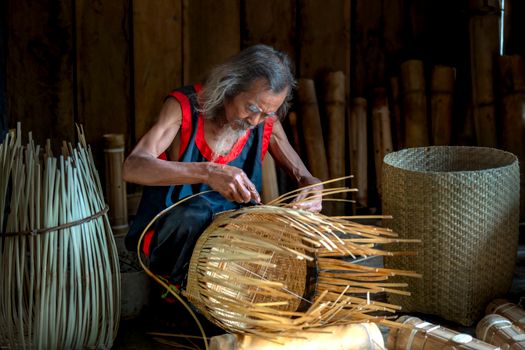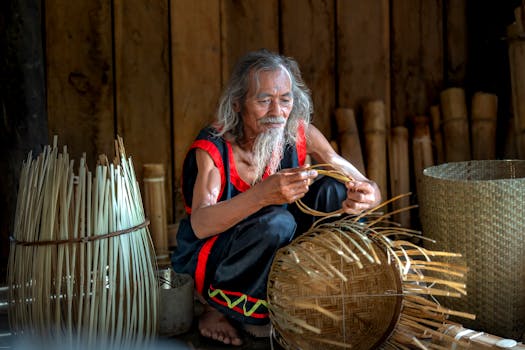
Basket weaving is far more than a simple craft—it's a living thread woven through the complex tapestry of American history and society. From Indigenous nations whose basketry traditions predate European colonization to contemporary artists who reinterpret ancient techniques, basket weaving has played a pivotal role in shaping identities, economies, and cross-cultural exchanges across the continent. Today, the cultural importance of basket weaving in America is being rediscovered and celebrated, not only as a beautiful artisanal practice but as a lens through which we can understand resilience, adaptation, and community.
The Roots of Basket Weaving in Indigenous America
Long before the arrival of European settlers, Indigenous peoples across North America had developed highly specialized basketry traditions. Archaeological evidence suggests that some American baskets date back more than 8,000 years, making basket weaving one of the oldest crafts on the continent. For Native communities such as the Cherokee, Pomo, Chitimacha, and Hopi, basket weaving was—and remains—a vital cultural practice.
Each tribe developed its own distinct styles, materials, and motifs, often determined by the local environment. For example, the Wabanaki people of the Northeast became renowned for their ash splint and sweetgrass baskets, while the Pomo of California are celebrated for their intricate feathered and beaded baskets. Baskets served practical purposes—used for gathering, storage, cooking, and even ceremonial exchanges—but they also communicated identity, status, and ancestral stories.
The act of weaving itself often carried spiritual significance. Patterns were passed down from generation to generation, encoding tribal history and cosmology. In many communities, basket weaving is still taught as a rite of passage, a way to connect young people with their heritage. Today, more than 250 Native American tribes continue to practice traditional basketry, helping to sustain and revitalize endangered languages and customs.
Basket Weaving and the American Economy
Beyond its cultural value, basket weaving has long played a significant role in the American economy. By the early 19th century, basket making had become a cottage industry in both Native and non-Native communities. Baskets were essential household items, used for everything from fishing and farming to laundry and market shopping.
As America grew, so did the demand for baskets. The Shakers, a religious group known for their craftsmanship, achieved national fame for their “fancywork” baskets in the 1800s. African American communities in the South, particularly the Gullah people of South Carolina and Georgia, developed the iconic sweetgrass basket, a tradition rooted in West African techniques brought over by enslaved people.
By the late 19th and early 20th centuries, basket weaving was a significant source of income for many rural Americans. According to the U.S. Census of 1900, more than 10,000 people were employed in the basket-making industry. Baskets were exported across the country and to Europe, and basketry cooperatives provided vital economic support, especially for women.
However, the industrial revolution and the rise of plastics led to a sharp decline in demand for handmade baskets. By the 1950s, the number of full-time basket makers in the United States had dwindled to fewer than 500. Today, however, a resurgence of interest in sustainable crafts and traditional arts has sparked a renewed appreciation for basket weaving, both as a livelihood and an art form.
Regional Styles and Cultural Exchanges
One of the most fascinating aspects of American basket weaving is its regional diversity. The materials and techniques used in basketry are often dictated by geography—what grows locally shapes what gets woven. This has led to a rich mosaic of styles, from the river cane baskets of the Southeast to the cedar bark baskets of the Pacific Northwest.
Here's a comparative overview of some of America’s most iconic regional basket traditions:
| Region | Materials | Distinctive Features | Cultural Groups |
|---|---|---|---|
| Northeast | Black ash, sweetgrass | Bright dyes, lidded forms | Wabanaki, Iroquois |
| Southeast | River cane, palmetto, pine needles | Double-weave, coiled techniques | Cherokee, Choctaw, Gullah |
| Great Plains | Willow, sage, grasses | Plateau-style, pictorial designs | Sioux, Cheyenne |
| California | Willow, sedge, bulrush, feathers | Miniature baskets, feather/beadwork | Pomo, Miwok, Yokuts |
| Pacific Northwest | Cedar bark, spruce roots | Imbricated patterns, waterproofing | Tlingit, Makah, Salish |
These styles are not static; American basketry has always been shaped by cultural exchange. For example, the iconic Nantucket lightship basket—now a collectible art form—originated in the 19th century among sailors using Native techniques adapted with European tools. African American sweetgrass baskets, meanwhile, blend West African coil work with local marsh grasses, a testament to adaptation and survival under slavery.
Basket Weaving as a Tool for Cultural Survival and Activism
For many communities, basket weaving is more than just heritage—it's a tool for survival and resistance. During periods of forced assimilation and cultural suppression, especially in the late 19th and early 20th centuries, Indigenous basket makers used their craft to sustain families and preserve knowledge. In some cases, basket sales helped fund legal battles for tribal land rights or pay for community schools.
In the civil rights era, the Gullah sweetgrass basket tradition became a symbol of African American resilience. Today, basket makers often use their work to call attention to issues like land loss, environmental degradation, and the importance of cultural sovereignty. The 2022 Native American Basketry Summit, for example, brought together more than 300 weavers from 60 tribes to share skills, discuss climate change's impact on traditional materials, and strategize about cultural preservation.
Some contemporary artists use basketry to make bold political statements. For example, Shan Goshorn, a Cherokee artist, created baskets woven with photographic reproductions of historical government documents to highlight Native American struggles. These innovative uses show how basket weaving remains a powerful means of cultural expression and activism.
Revival, Education, and Contemporary Basketry
The late 20th and early 21st centuries have seen a remarkable revival of interest in American basket weaving. Museums, cultural centers, and universities now offer exhibitions and workshops that spotlight both traditional and innovative approaches to the craft. The National Museum of the American Indian, for instance, houses more than 10,000 baskets in its collection, helping educate the public about Native artistry and history.
Grassroots initiatives play a critical role in sustaining basketry traditions. Organizations such as the Maine Indian Basketmakers Alliance and the California Indian Basketweavers Association provide training, materials, and marketing support for artisans. These groups have helped increase the number of active weavers in their regions by as much as 40% over the last decade.
Basket weaving is also being embraced by a new generation of artists and hobbyists interested in sustainability and slow craft. The global handmade market is expected to reach $1 trillion by 2024, and American basket makers are finding new audiences both online and at local craft fairs. Contemporary basketry often blends traditional methods with modern influences, resulting in works that are as at home in art galleries as they are in rural kitchens.
Why Basket Weaving Continues to Matter in American Culture
The enduring importance of basket weaving in America lies in its remarkable adaptability and deep cultural roots. Baskets are more than functional objects—they are carriers of memory, identity, and artistry. As America continues to grapple with issues of heritage, sustainability, and social justice, the practice of basket weaving offers valuable lessons in resilience, cooperation, and respect for nature.
Whether preserved as sacred tradition, cherished as family heirloom, or reimagined as contemporary art, basket weaving connects generations and communities. Its survival and renewal signal a broader cultural shift toward valuing handmade, meaningful objects in an increasingly digital world.