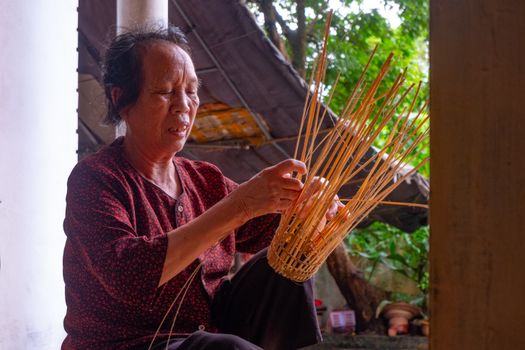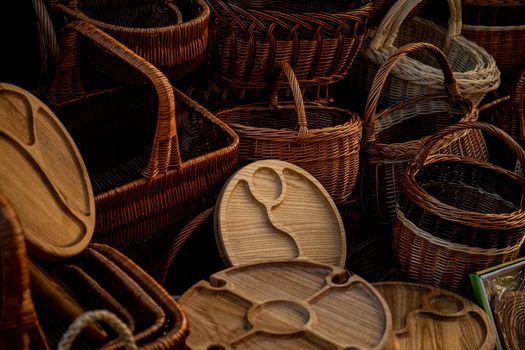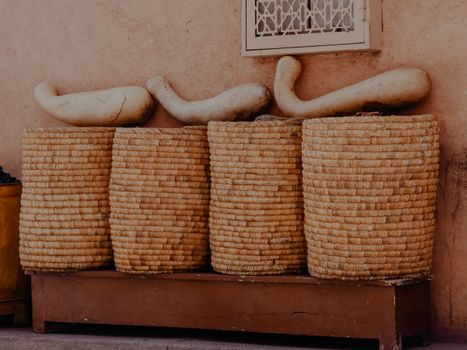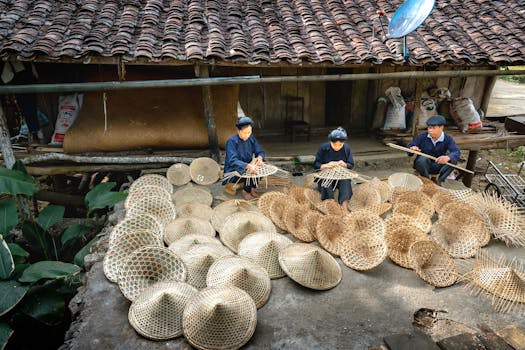
For millennia, basketry has been an essential craft for cultures across the globe. What began as a practical solution for carrying food and goods soon evolved into a rich art form, deeply embedded in the heritage and identities of communities. Today, traditional basketry stands as a testament to the ingenuity, creativity, and resourcefulness of diverse peoples. From the intricate patterns of the Tonga people in Zimbabwe to the vibrant coils of the Native American Hopi, the world’s basketry traditions reveal not only technical skill but also deep spiritual and social meaning. This article explores some of the most beautiful and unique examples of traditional basketry worldwide, highlighting the distinctive materials, techniques, and cultural stories woven into each piece.
The Cultural Significance of Traditional Basketry
Traditional basketry is more than just a craft; it is a living archive of history, community, and symbolism. In many societies, basket making is interwoven with rites of passage, religious beliefs, and daily life. For instance, in Japan, bamboo basket weaving (takezaiku) is not only a means of creating functional objects but also an esteemed art form, with some pieces taking months or even years to complete.
In Africa, baskets are often used in ceremonial contexts, such as weddings and harvest festivals, and are sometimes believed to possess protective powers. In the Southwest United States, Native American tribes like the Apache and Hopi use basketry to tell stories, document genealogy, and express cosmic worldviews. The techniques and patterns are often guarded secrets, passed down through generations, making each basket a vessel of ancestral knowledge.
Globally, over 250 distinct basket weaving traditions have been documented, each reflecting the local environment, available materials, and the unique aesthetic sensibilities of its makers.
Materials and Techniques: A Showcase of Diversity
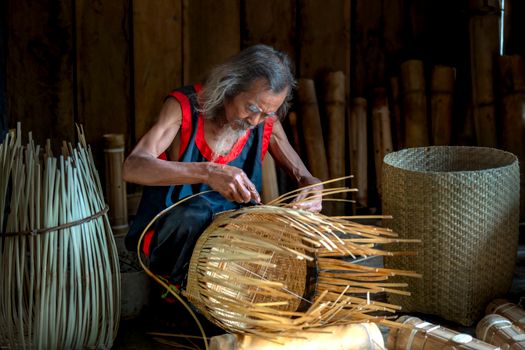
What makes traditional basketry so visually captivating is the incredible range of materials and techniques employed around the world. The natural environment dictates the fibers used—rattan, bamboo, reeds, willow, grasses, palm leaves, pine needles, and even tree bark. Techniques vary from coiling, plaiting, twining, to wickerwork, each yielding different shapes, textures, and strengths.
For example, in the Philippines, the Ifugao people create finely woven baskets using strips of rattan and bamboo, employing a tight plaiting technique for durability. In contrast, the Makenge baskets of Zambia use the roots of the makenge bush, which are boiled and dyed to achieve rich earthy tones. The Cherokee of North America use river cane and employ a double-weave technique, producing baskets that are reversible and highly sought after for their complexity.
The technical mastery required for some traditions is astonishing. The Japanese “sagemono” baskets, designed to hang from the obi (sash) of a kimono, can contain up to 20,000 individual bamboo strips in a single piece. Such diversity in materials and method ensures that no two regional basketry traditions look or feel quite the same.
Stunning Basketry Traditions: Regional Highlights
Let’s explore some of the world’s most distinctive and beautiful basketry styles, each with its own story and aesthetic:
1. $1 The Tonga women of Zimbabwe’s Binga district are renowned for their “illala palm” baskets, known locally as “tonga baskets.” These shallow, bold-patterned vessels are woven using the over-and-under “winnowing” technique, creating intricate geometric designs that often symbolize elements of nature or local folklore. The baskets are so celebrated that over 6,000 are exported annually, supporting entire communities. 2. $1 In Japan, bamboo baskets aren’t just utilitarian—they are essential to the centuries-old flower arrangement art of ikebana. Artists like Tanabe Chikuunsai IV create complex, asymmetrical forms that blur the line between sculpture and basket. In 2018, a single Chikuunsai basket sold for over $50,000 at auction, underscoring the esteem in which these works are held. 3. $1 The Hopi people of the American Southwest are famous for their vividly colored coiled baskets, made from sumac and yucca. These baskets serve both practical and ceremonial roles, often depicting Katsina spirits and other sacred motifs. Some Hopi baskets are so finely woven that they can hold water—a testament to the weavers’ skill. 4. $1 In the rural regions of Vietnam, conical fish trap baskets (đó) are handwoven from bamboo and rattan. Their unique funnel shape is not only visually striking but also highly effective for catching fish in the Mekong Delta. These baskets are now celebrated as symbols of Vietnamese ingenuity and are often displayed as decorative art pieces worldwide. 5. $1 Bali’s “ata” baskets, crafted from the ata grass (Lygodium circinnatum), are famous for their tight, even weave and durability. The finished baskets are smoked over coconut husks, giving them a distinctive golden color and a subtle aroma. Each basket can take up to a month to complete, and the technique has been recognized by UNESCO as part of Bali’s intangible cultural heritage.Comparing Basketry Traditions: Materials, Techniques, and Uses
To fully appreciate the diversity and beauty of global basketry, it’s helpful to compare some of the most iconic traditions side by side.
| Region/Culture | Primary Material | Technique | Key Features | Common Uses |
|---|---|---|---|---|
| Tonga (Zimbabwe) | Ilala Palm | Winnowing/Plaiting | Geometric patterns, shallow shape | Winnowing grain, decorative |
| Japan (Ikebana) | Bamboo | Twining, Plaiting | Asymmetrical, sculptural forms | Flower arrangement, art |
| Hopi (USA) | Sumac, Yucca | Coiling | Colorful, symbolic motifs | Ceremonial, storage |
| Vietnam | Bamboo, Rattan | Plaiting | Conical, funnel-shaped | Fishing, decoration |
| Bali (Indonesia) | Ata Grass | Wickerwork | Tight weave, smoked finish | Storage, fashion |
This overview illustrates the unique interplay between available materials, inherited technique, and the needs of each community that shape the world’s basketry masterpieces.
Basketry as Living Heritage: Preservation and Revitalization
While many basketry traditions have survived for centuries, globalization and modernization have put some at risk. Cheaper, mass-produced goods threaten the livelihoods of traditional weavers; meanwhile, the younger generation sometimes sees basketry as an outdated skill. However, there are inspiring efforts worldwide to preserve and revitalize these traditions.
In Botswana, basket weaving is now a major source of income for rural women, with annual exports exceeding $1 million. Non-profits and cooperatives empower artisans by connecting them to global markets and offering training in design innovation. In the United States, Native American basketry programs have been established in schools and museums to encourage youth participation and document endangered techniques.
The UNESCO Intangible Cultural Heritage list includes several basketry traditions, such as the split willow basketry of the Swiss Alps and the plaited palm-leaf mats of Oman. These recognitions help raise awareness, foster pride, and encourage sustainable harvesting of raw materials.
The Enduring Beauty and Relevance of Basketry
Traditional basketry is more than an artifact of the past—it is a vibrant, evolving expression of human creativity and resilience. Modern designers and artists increasingly collaborate with master weavers, blending age-old techniques with contemporary aesthetics. In 2022, the global market for artisan-made baskets was valued at over $1.3 billion, reflecting a growing appreciation for handcrafted authenticity.
Collectors and museums now actively seek unique, story-rich baskets, and exhibitions such as the British Museum’s “Woven Histories” (2021) attract thousands of visitors eager to learn about the world’s basketry heritage. Whether displayed in galleries or used in everyday life, traditional baskets remind us of the shared human impulse to create beauty from humble materials.