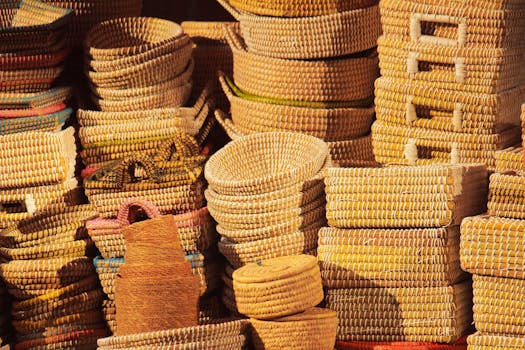
Traditional American Baskets as Functional Art
The art of basketry is as old as civilization itself, yet in America, baskets have always been more than mere containers. They are a testament to ingenuity, a celebration of culture, and, perhaps most fascinatingly, a living example of how function and art can entwine seamlessly. Traditional American baskets are not only objects crafted to serve daily needs—they are also canvases for creativity, cultural identity, and storytelling. In this article, we’ll explore how these remarkable creations bridge utility and aesthetics, their regional diversity, the techniques that define them, the artists who carry on the legacy, and how traditional baskets are finding new life as collectible and decorative art in the modern world.
The Dual Purpose: Function and Artistry Intertwined
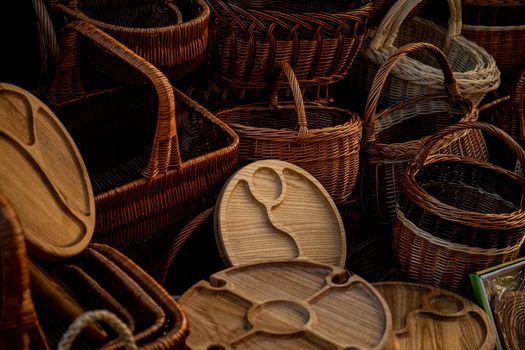
For centuries, American baskets served vital roles in daily life. Native American communities, colonial settlers, and rural families alike depended on baskets for gathering, storing, and transporting food, textiles, and other goods. Baskets were, and still are, functional objects—strong, durable, and designed for specific tasks. Yet, from the very beginning, utility went hand-in-hand with beauty.
Consider the Cherokee double-weave rivercane baskets, which can hold water due to their tight construction. Or the Shaker communities, known for their impeccable craftsmanship, whose baskets are instantly recognizable for their symmetry and understated elegance. In these examples, the line between utility and artistry vanishes: a storage basket becomes a sculptural masterpiece.
A 2021 survey by the American Craft Council found that 78% of basket collectors view their pieces as both practical items and works of art, highlighting the enduring appeal of these dual-purpose objects. Whether used for carrying apples from an orchard or displayed on a gallery wall, traditional American baskets are objects where functional design and artistic expression are inseparable.
Regional Styles: Diversity Woven Across the Land
America’s vast geography and cultural tapestry have given rise to a stunning array of basket styles, each with unique functions and artistic flourishes. The materials, weaving techniques, and designs reflect local resources, environmental challenges, and cultural traditions.
For example, the sweetgrass baskets of the Gullah people in South Carolina and Georgia are renowned for their coiled construction and intricate patterns, originally designed for rice winnowing but now prized as decorative art. In contrast, the splint baskets of the Northeast, made from ash or oak, feature bold geometric designs and were essential for carrying maple sap and berries.
In the Southwest, Apache and Pima baskets are characterized by their tight coiling, symbolic motifs, and use of willow and devil’s claw fibers. These baskets served in food preparation, storage, and ceremonial purposes, often with designs that tell stories or carry blessings. Meanwhile, the Pacific Northwest’s twined cedar bark baskets are waterproof and sturdy, used for gathering shellfish and roots, with designs that echo the rhythms of the sea and forest.
Here’s a comparative overview of some key regional basket styles:
| Region | Common Materials | Distinctive Features | Primary Function |
|---|---|---|---|
| Southeast (Gullah) | Sweetgrass, palmetto, pine needles | Coiled, intricate patterns | Rice winnowing, food storage |
| Northeast (Iroquois) | Black ash, white oak | Splint weaving, geometric designs | Maple sap, berry gathering |
| Southwest (Apache, Pima) | Willow, devil’s claw, yucca | Tight coiling, symbolic motifs | Food storage, ceremonial |
| Pacific Northwest | Cedar bark, spruce root | Twined, waterproof, natural dyes | Shellfish gathering, storage |
| Shaker (New England) | Black ash, white oak | Symmetrical, utilitarian elegance | Household storage, sewing |
These regional differences are more than aesthetic; they are functional responses to local environments and cultural needs, making each basket a living document of its place of origin.
Techniques and Materials: The Heart of Functional Art
Every basket begins with material selection—a process dictated by geography and purpose. Native American basketmakers might harvest rivercane, willow, or cedar bark, while colonial settlers relied on local woods like ash and oak. The harvesting, curing, and preparation of these materials is itself an art, often involving traditional ecological knowledge passed down through generations.
Weaving techniques are equally varied. Coiling, plaiting, twining, and splint weaving are among the most common methods, each allowing for different shapes, strengths, and decorative effects. For instance, coiled baskets can be made nearly watertight, perfect for carrying liquids. Plaited splint baskets create strong, flat surfaces ideal for gathering berries or hauling firewood.
Decoration and symbolism are woven into the very structure. Natural dyes extracted from roots, bark, and berries introduce color, while patterns may signify clan affiliation, tell stories, or invoke blessings. The Pomo of California, for example, are known for their feathered baskets, which incorporate quail plumes for both beauty and spiritual meaning.
The complexity of technique is not just for show—each choice affects the basket's utility, from durability to load-bearing capacity. In a 2019 study published in the Journal of Material Culture, researchers found that traditional American baskets could support up to 50 pounds when properly constructed, rivaling modern plastic containers for strength.
Basket Makers: Artists, Innovators, and Keepers of Tradition
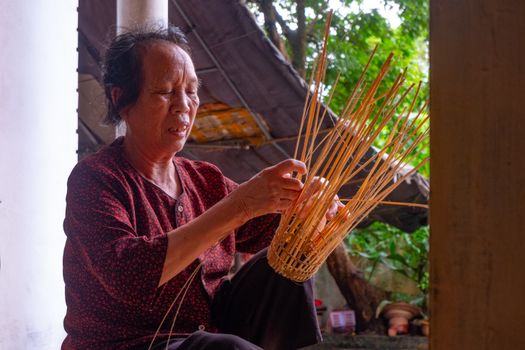
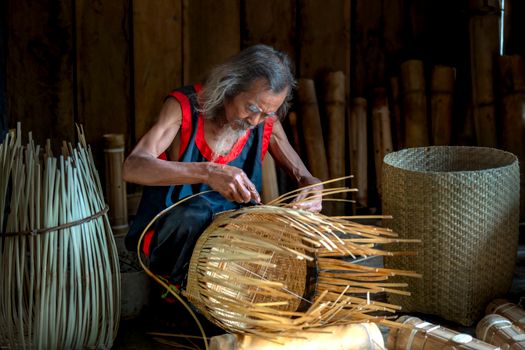
Behind every basket is a maker whose skill and vision transform raw materials into objects of enduring value. While basketry was once a common household skill, today’s traditional basket makers are both artisans and cultural stewards. Many come from families where basketry is a multigenerational practice; others are self-taught artists reviving historical techniques.
Take Mary Jackson of South Carolina, a MacArthur “Genius Grant” recipient, whose sweetgrass baskets are collected by museums around the world. Or Jeremy Frey, a Passamaquoddy artist from Maine, known for his innovative designs and flawless craftsmanship in ash and sweetgrass. Their work exemplifies how contemporary makers honor tradition while pushing the boundaries of form and function.
Basketry has also become a vital part of cultural revitalization efforts among Native American communities. Programs like the California Indian Basketweavers’ Association, founded in 1991, have helped train over 500 new weavers and ensure the survival of endangered plants and techniques. In 2022, the National Basketry Organization reported a 30% increase in young artists participating in workshops, signaling renewed interest in this ancient craft.
From Everyday Objects to Collectible and Decorative Art
As lifestyles have changed, the role of traditional baskets has evolved. No longer essential for daily chores, these baskets have gained new life as collectible and decorative art. Museums such as the Smithsonian’s National Museum of the American Indian and the Museum of Fine Arts in Boston feature prominent basket collections, celebrating both historical and contemporary makers.
Collectors prize baskets for their craftsmanship, history, and unique beauty. Auction prices for rare 19th-century Native American baskets can reach $50,000 or more, while contemporary works by acclaimed artists fetch thousands. At the same time, designers and homeowners seek out traditional baskets to add authenticity and warmth to modern interiors. A 2023 Home Decor Trends report noted that sales of handwoven baskets for home decoration rose by 15% in the previous year.
Yet, even as art objects, traditional baskets retain their functional DNA. Many collectors continue to use them for storage, serving, or display, blurring the line between utility and ornamentation. This adaptability is part of what makes baskets enduring and relevant.
Conclusion: Woven Legacies, Enduring Value
Traditional American baskets are more than utilitarian objects—they are expressions of ingenuity, artistry, and cultural resilience. From rivercane to sweetgrass, from coiling to twining, these baskets embody a harmonious blend of function and beauty. Whether crafted by Native American elders, Shaker artisans, or contemporary innovators, each basket tells a story of adaptation, identity, and creativity.
As both functional tools and works of art, baskets bridge the past and present, utility and elegance, the everyday and the extraordinary. Their continued appreciation—by collectors, museums, and new generations of makers—ensures that this woven legacy will endure, inspiring and enriching American life for years to come.