The History and Significance of Native American Baskets in Folklore
For thousands of years, Native American communities have woven baskets not only as practical tools but as living stories—each one imbued with meaning, tradition, and spiritual significance. The artistry and symbolism of these baskets form a vital part of Native American folklore, connecting past and present generations. This article explores the deep historical roots and rich cultural importance of basketry in Native American folklore, revealing how these woven objects serve as vessels of memory, myth, and identity.
The Origins of Native American Basketry: Ancient Artistry and Innovation
Native American basket-making is one of the oldest crafts in North America, with archaeological evidence dating back at least 8,000 years. The oldest known baskets, discovered in the Nevada Great Basin, are estimated to be 9,000 years old—predating the earliest known pottery on the continent. Early baskets were essential for daily survival, used for gathering, storing, cooking, and transporting food.
Over time, basketry techniques diversified between tribes and regions. For example, the Pomo people of California developed the coiling method, while the Cherokee in the Southeast specialized in twill plaiting. Materials varied according to local resources: river cane in the Southeast, willow and sumac in the Southwest, and cedar bark in the Pacific Northwest. Each tribe’s baskets are instantly recognizable by their unique patterns, shapes, and weaving techniques.
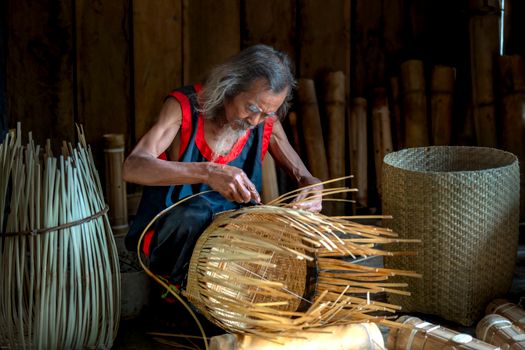
But beyond function, baskets quickly became objects of artistic expression and cultural identity. The act of weaving itself was seen as a sacred process, often accompanied by songs, prayers, or stories, intertwining the material world with the spiritual.
Symbolism and Storytelling: Baskets as Folkloric Texts
Many Native American groups regard baskets as more than utilitarian; they are narrative objects, conveying stories, lessons, and cosmologies. Patterns and motifs woven into baskets are often passed down through generations, with each design holding specific meanings.
For instance, Navajo wedding baskets feature a coiled design symbolizing the journey of life and the path toward spiritual harmony. Hopi baskets may depict katsina figures or elements from creation stories. In California, the Miwok tribe’s baskets often incorporate star and butterfly motifs, referencing local legends and natural cycles.
Baskets also play important roles in oral tradition. Among the Salish people of the Pacific Northwest, basket stories are shared in winter gatherings, where elders explain the origins of certain patterns or recount tales of animals and ancestors associated with specific basket types.
Ceremony and Spiritual Significance: Baskets in Rituals and Rites
In Native American folklore, baskets are central to a variety of ceremonial practices. They are used in rituals marking major life passages—births, weddings, harvests, and rites of passage. For example, Apache girls undergoing the Sunrise Ceremony, a coming-of-age ritual, receive intricately woven baskets filled with sacred foods and offerings.
In the Hopi Bean Dance, baskets are filled with cornmeal and beans symbolizing fertility and abundance. The Iroquois use baskets in their Midwinter Ceremony, where they are exchanged as gifts and filled with symbolic items to ensure prosperity in the coming year.
The act of basket-giving itself is seen as a powerful gesture, representing respect, gratitude, and community ties. In some traditions, baskets are believed to hold protective or healing powers; certain designs may be used to ward off evil spirits or bring good fortune.
Regional Styles and Folkloric Variations: A Comparative Overview
Basketry varies remarkably across Native American nations, each style reflecting regional environments, available materials, and local folklore. Below is a comparative overview of several prominent basket-making traditions and their associated folkloric meanings:
| Region/Tribe | Basket Type/Style | Material | Folkloric Significance |
|---|---|---|---|
| Pomo (California) | Feathered Gift Baskets | Willow, sedge root, feathers | Used in gifting, ceremonies; patterns signify wealth, creation stories |
| Hopi (Southwest) | Coiled Plaques | Galleta grass, yucca | Integral to dances, depict spiritual beings, used in blessing rituals |
| Salish (Pacific Northwest) | Imbricated Baskets | Cedar bark, beargrass | Used in potlatch ceremonies; patterns tell clan histories |
| Cherokee (Southeast) | Double-walled Baskets | River cane, white oak | Used in harvest, marriage ceremonies; motifs reflect legends |
| Navajo (Southwest) | Ceremonial Wedding Baskets | Sumac, yucca | Symbol of unity and harmony in marriage; spiral design represents journey of life |
These regional distinctions are more than aesthetic; they are living expressions of each tribe’s worldview, history, and mythic landscape.
Transmission of Tradition: Baskets as Heirlooms and Folkloric Carriers
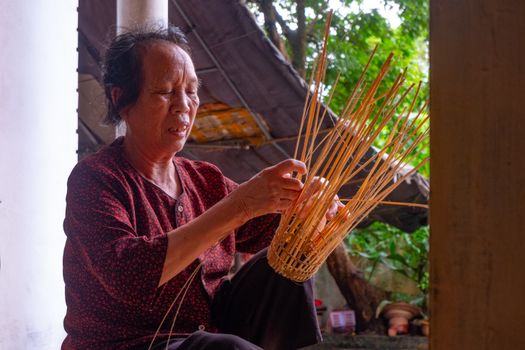
The process of teaching basket weaving is itself steeped in folklore. Elders pass on not only technical skills but also the stories, songs, and taboos associated with certain designs or materials. In many tribes, the right to weave certain patterns or use specific colors is inherited, and basket-making sessions become intergenerational storytelling events.
For example, among the O’odham people of Arizona, young girls learn to weave from their grandmothers, who share legends about the origins of the saguaro cactus or the desert animals whose images appear in the baskets. These sessions reinforce cultural identity and ensure the continuity of both material and mythic heritage.
Moreover, baskets are often kept as family heirlooms, passed down through generations as tangible links to ancestors and their stories. Some baskets are only brought out during specific ceremonies, preserving their sacred status and narrative power.
Modern Interpretations: Baskets in Contemporary Native Folklore
Today, Native American baskets continue to play an important role in both traditional and contemporary folklore. While some baskets are still made for ceremonial and everyday use, others have become valuable art objects, collected and displayed in museums around the world. According to the Smithsonian Institution, Native American basketry is among the most widely collected forms of Indigenous art, with over 20,000 baskets in its National Museum of the American Indian collection alone.
Contemporary weavers often blend traditional techniques with modern motifs, creating new narratives that reflect present-day experiences while honoring ancestral stories. For instance, some artists incorporate imagery related to environmental stewardship or social justice, turning their baskets into commentary on contemporary issues.
Basketry has also become a means of cultural revitalization. In recent years, programs like the Native American Basket Weavers Association have worked to revive endangered basket-making traditions, ensuring that the folklore woven into each basket endures for future generations.
Enduring Legacy: The Folkloric Power of Native American Baskets
Native American baskets are far more than objects—they are storytellers, spiritual vessels, and cultural bridges. Woven with skill and meaning, they carry the voices of ancestors and the wisdom of the land. Through ceremonial use, artistic expression, and the sharing of stories, baskets remain a vital part of Native American folklore, linking the past to the present and shaping cultural identities into the future.