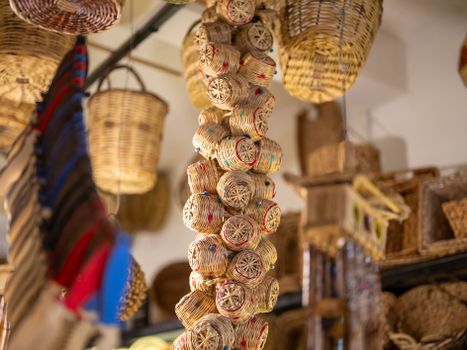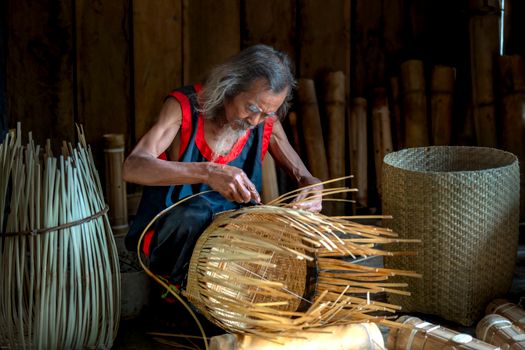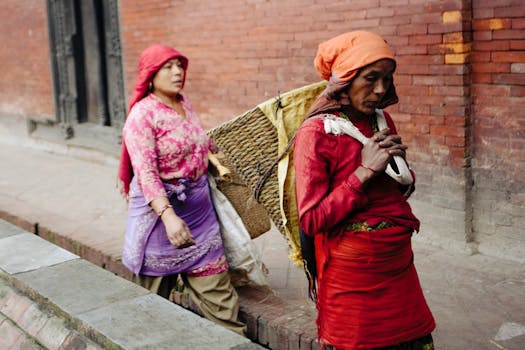
Baskets have accompanied humanity for thousands of years, winding their way through daily life, ceremony, myth, and art. Their enduring presence stretches across continents and centuries, serving not only practical needs but also carrying layers of symbolism. From the woven rice baskets of Southeast Asia to the intricate birchbark containers of the Far North, baskets are vessels of meaning as much as they are of goods. But what do baskets mean in different cultures, and why have they become such powerful metaphors for community, abundance, and identity? Let’s embark on a journey through the world’s baskets and unravel the symbolic language woven into their very fibers.
The Cultural Roots of Basket Symbolism
Baskets are among the oldest human-made objects, with archaeological finds dating back at least 12,000 years. Their universality stems from necessity—every society needed containers for gathering, storing, and transporting. But as basketry evolved, the act of weaving became about more than mere utility.
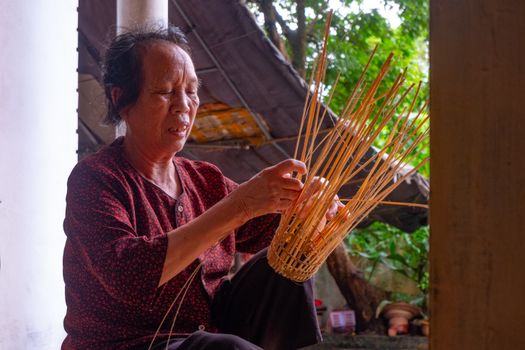
In many cultures, basket-making is intimately tied to identity, gender roles, and spirituality. For example, in parts of Africa, basket weaving is traditionally a women’s craft, passed down through generations. Here, the basket becomes a symbol of feminine creativity, family continuity, and social cohesion. In Japan, the art of bamboo basketry (takezaiku) is revered, with certain baskets used exclusively for tea ceremonies—imbuing them with ritual significance.
The materials themselves are often symbolic. Palm, reed, willow, pine needles, and grasses—each plant speaks to the landscape and resources of a culture. The act of gathering and transforming these materials is, in many traditions, seen as a sacred or spiritually significant endeavor.
Baskets as Symbols of Abundance and Sustenance
At their most fundamental, baskets are tools for gathering and holding. This basic function has led to their widespread association with abundance and nourishment. In ancient Egypt, baskets overflowing with fruits and grains were depicted in tomb paintings, symbolizing prosperity in the afterlife. Similarly, the cornucopia—the “horn of plenty” in Greco-Roman mythology—is essentially a basket, representing unending supply and the generosity of the earth.
In Native American cultures, baskets are often crafted with symbolic designs that celebrate harvests and the bounty of nature. The Hopi, for example, weave plaques called “pootsaya” to commemorate significant life events, often featuring motifs for rain and corn—both vital for sustenance in the arid Southwest.
In Southeast Asia, rice baskets are emblematic of life itself. In Bali, intricately decorated offerings called “canang sari” are carried in woven baskets to temples, symbolizing gratitude for sustenance and the interconnectedness of life. The act of filling a basket—whether for harvest or ritual—becomes a metaphor for gathering blessings.
Basketry as a Metaphor for Community and Connection
Beyond material abundance, baskets are powerful metaphors for social fabric. The very act of weaving—interlacing separate strands into a unified whole—mirrors the creation of community and culture. In many traditions, basketry is a communal activity, with family members or entire villages contributing to the process.
In African societies, the pattern of a basket can signify clan identity or social status. The Tonga people of Zimbabwe, for instance, are renowned for their “binga” baskets, whose spiral patterns represent the flow of life and the strength of unity. Similarly, the Maori of New Zealand weave “kete” baskets not only for carrying food but also as gifts, symbolizing the bonds of kinship and the importance of reciprocity.
This communal symbolism is echoed in language. Phrases like “putting all your eggs in one basket” or “the basket of goods” speak to the notion of collective investment and shared fate.
Spiritual and Ritual Meanings of Baskets
In many cultures, baskets are not just containers for physical goods, but vessels of spiritual energy. They are used in rites of passage, offerings, funerals, and weddings—each imbued with specific meanings.
In Ethiopia, the mesob—a tall, conical basket—is central to the coffee ceremony, a communal ritual symbolizing hospitality and unity. The shape and color of the mesob are believed to protect those who share in the ceremony from harm.
In the Philippines, baskets called “bayong” are used in harvest festivals to present the first fruits to ancestors and deities, symbolizing gratitude and the cyclical nature of life. In the Christian tradition, the miracle of the loaves and fishes centers on baskets as vessels of divine providence, with twelve baskets of leftovers collected after feeding the multitude (Matthew 14:20).
Baskets are also used to carry sacred objects, herbs, or offerings—acting as mediators between the human and spiritual realms. Their circular forms often symbolize eternity, the womb, or the cosmos.
Comparing Basket Symbolism Around the World
To better understand the diversity and depth of basket symbolism, consider the following comparative overview across five cultures:
| Culture | Basket Type | Main Symbolic Meanings | Typical Use | Notable Fact |
|---|---|---|---|---|
| Native American (Hopi) | Pootsaya plaque | Harvest, fertility, life cycles | Ritual, ceremonial gifting | Designs often include rain and corn motifs |
| Japanese | Takezaiku (bamboo basket) | Purity, elegance, ritual | Tea ceremony, ikebana (flower arrangement) | Some baskets are designated "Living National Treasures" |
| Greek/Roman | Cornucopia | Abundance, prosperity, divine favor | Mythology, harvest festivals | Often depicted in art as overflowing with produce |
| African (Tonga) | Binga basket | Community, unity, status | Food storage, ceremonial gifts | Spiral designs symbolize continuity |
| Philippines | Bayong | Thanksgiving, ancestor veneration | Harvest rituals, daily market use | Woven from palm or pandan leaves |
Modern Interpretations: Baskets in Contemporary Symbolism
Today, baskets continue to inspire artists, designers, and thinkers. In the language of modern symbolism, baskets frequently represent sustainability, tradition, and mindful living. The resurgence of interest in handmade baskets—seen in movements ranging from slow craft to eco-friendly design—reflects a desire to reconnect with heritage and the natural world.
Baskets also appear in contemporary literature and art as symbols of care, nurture, and containment. In digital culture, we use the term “shopping basket” to describe our online purchases, echoing the historic role of baskets as carriers of value and choice.
Moreover, the basket has found new life in social enterprises and economic development initiatives. For instance, global fair-trade organizations promote basket weaving as a means of empowering women and preserving endangered traditions, underscoring the basket’s enduring association with community well-being.
Why Basket Symbolism Endures Across Time and Place
The basket is more than a humble container—it is a universal symbol that speaks to the core of human experience. Its meanings are layered: from abundance and fertility to unity and spiritual passage. The act of weaving binds not only fibers but also generations, beliefs, and communities.
What sets baskets apart in the world of symbols is their simultaneous simplicity and depth. They are shaped by the land, carried by the hands of women and men, and woven with stories. As societies change, the basket adapts—remaining relevant as both a practical object and a metaphor for life’s interconnectedness.
In a world that often feels fragmented, the basket offers a gentle reminder: we are all strands in a greater weave, holding and supporting one another.