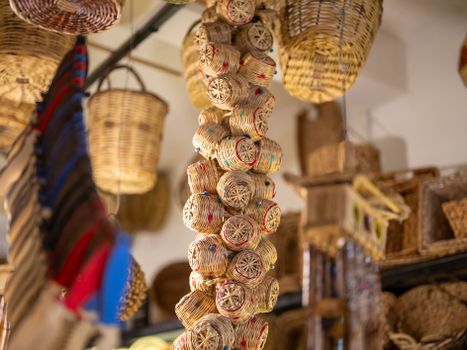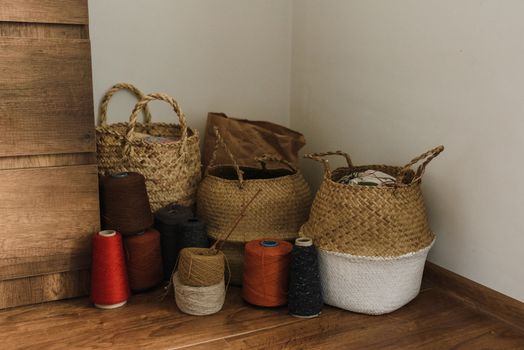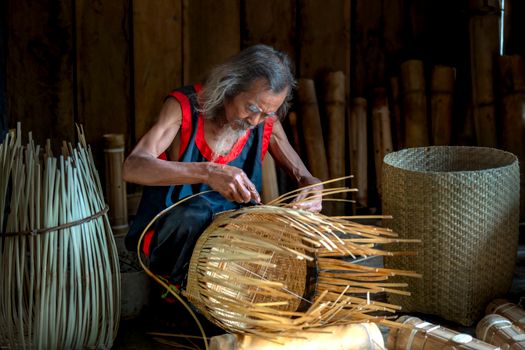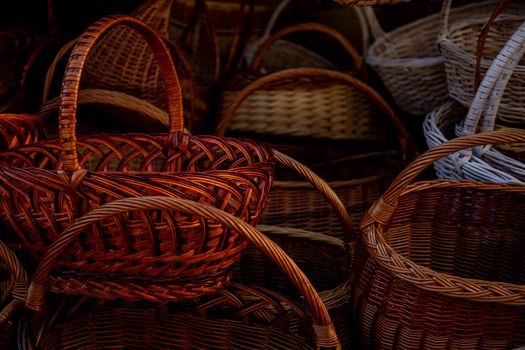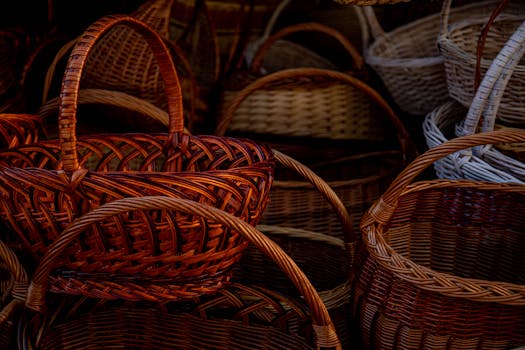
Baskets have been essential tools for human civilization for thousands of years, serving as containers, tools, art pieces, and symbols of cultural identity. Yet, the way baskets are made—and the meaning imbued in their craftsmanship—has evolved dramatically. In the modern era, traditional basket weaving faces new challenges and opportunities, thanks to technological advances, changing lifestyles, and renewed appreciation for handcrafts. This article explores how craftsmanship in basketry is changing by comparing traditional and modern baskets, highlighting the shifting techniques, materials, purposes, and values that define basketry today.
The Roots of Basketry: Traditional Techniques and Cultural Significance
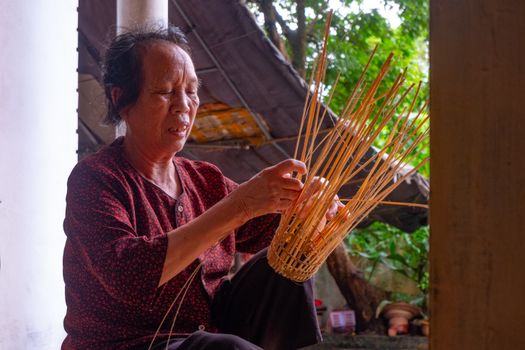
Traditional basket weaving is an ancient craft, with archaeological evidence of woven baskets dating back over 10,000 years. These baskets were not merely utilitarian; they were expressions of culture, identity, and artistry. In regions such as Africa, Asia, the Americas, and Europe, each community developed distinct styles, patterns, and weaving methods. For example, Native American tribes like the Pomo and Hopi created tightly coiled baskets using willow, sumac, and other local materials, incorporating symbolic designs that told stories or communicated social status.
The craftsmanship of traditional baskets relied on:
- $1: Willow, reeds, bamboo, grasses, and tree bark were harvested and prepared by hand. - $1: Some baskets required weeks or months to complete, involving soaking, splitting, dyeing, and weaving. - $1: Skills and patterns were passed down through generations, often within families or clans. - $1: Baskets were tailored for specific tasks—gathering crops, storing food, holding water, or serving ceremonial roles.By the late 19th century, basketry was inextricably linked to cultural survival for many Indigenous peoples. For example, in the 1880s, over 15,000 Native American women made their living as basket weavers in California alone—a powerful testament to the craft’s economic and cultural importance.
Modern Baskets: New Materials, Methods, and Meanings
The 20th and 21st centuries ushered in dramatic changes in how baskets are made and perceived. Industrialization and globalization introduced new materials—such as plastic, metal wire, and synthetic fibers—making baskets cheaper, lighter, and faster to produce. This shift led to the mass production of baskets in factories, often far removed from the communities where traditional basketry flourished.
Modern baskets differ from their traditional counterparts in several key ways:
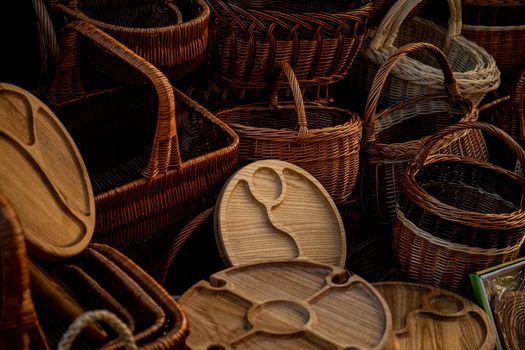
- $1: Polypropylene, plastic rattan, and metal now compete with natural fibers, offering durability and lower costs. - $1: Machine weaving and industrial molds replace hand-weaving, allowing for high-volume production. - $1: Baskets are often designed for aesthetics or as disposable storage solutions, rather than heirlooms or ceremonial objects. - $1: Designs are blended, and baskets often lack the distinct regional identities that traditional baskets possess.Despite these changes, modern basketry has also sparked a revival of interest in handmade crafts. Many contemporary artisans blend old and new techniques, creating hybrid baskets that celebrate tradition while embracing innovation. For example, designers may use recycled materials or combine hand-weaving with 3D printing technologies.
Comparing Traditional and Modern Baskets: Techniques, Materials, and Purpose
To understand how craftsmanship is changing, it helps to compare the main characteristics of traditional and modern baskets side by side. The following table highlights key differences and similarities:
| Aspect | Traditional Baskets | Modern Baskets |
|---|---|---|
| Main Materials | Natural fibers (willow, bamboo, grasses, reeds) | Plastics, metal, synthetic fibers, recycled materials |
| Production Method | Hand-woven, often with intricate techniques | Machine-made, mass-produced or hybrid techniques |
| Time to Create | Hours to months (e.g., a Hopi coiled basket may take 100+ hours) | Seconds to hours (factory baskets are made in minutes) |
| Purpose | Functional, ceremonial, artistic, cultural | Functional, decorative, disposable, sometimes artistic |
| Design Origin | Locally inspired, symbolic patterns | Globalized, trend-driven, often generic |
| Environmental Impact | Biodegradable, sustainable when harvested responsibly | Variable—can be recyclable, but plastics add to waste |
Cultural Identity and Storytelling: What Gets Lost and What Endures
One of the most profound shifts in basketry is the transformation of its role in cultural identity. In traditional societies, baskets were not just containers—they were repositories of stories, spiritual beliefs, and community pride. Each stitch, color, and motif held meaning: a Chemehuevi basket’s geometric designs, for instance, might encode clan histories or natural phenomena.
Today, while some modern baskets are still used in traditional rituals or as cultural artifacts, the majority are utilitarian or decorative. The loss of context can sometimes dilute the significance of the craft, especially when baskets are mass-produced for anonymous consumers. However, there is a counter-movement: artisans and organizations are working to revive and teach traditional basket weaving, ensuring that the cultural narratives embedded in the craft are preserved.
A 2021 survey by the American Craft Council found that nearly 60% of craft consumers are interested in learning about the cultural origins of handmade goods, suggesting a growing appreciation for the stories behind the baskets.
Innovation in Basket Craftsmanship: Blending Old and New
While traditional basketry is rooted in time-honored methods, modern artisans are increasingly experimenting with new technologies and materials. This innovation is reshaping the definition of craftsmanship itself.
Examples include:
- $1: Designers in Denmark have created baskets from recycled ocean plastics, combining environmental stewardship with functional design. - $1: Some artists use 3D-printed molds to create intricate basket forms, then finish them with hand weaving for a unique hybrid effect. - $1: In Japan, companies have developed electronic “smart baskets” for retail, which can track items and assist in checkout. - $1: Modern artists like Ruth Asawa have elevated basket weaving into large-scale sculptures, blurring the lines between craft and fine art.These innovations challenge traditional notions of what a basket can be, while still honoring the core principles of weaving—flexibility, strength, and beauty.
Environmental Impact: Sustainability and Material Choices
Another key factor differentiating traditional and modern baskets is environmental impact. Historically, basketry was inherently sustainable: materials were harvested locally and baskets were biodegradable. In contrast, the rise of plastic baskets since the 1950s has contributed to global plastic waste, with an estimated 8.3 billion metric tons of plastic produced worldwide since 1950, according to a 2017 study by Geyer et al.
Contemporary makers, aware of these concerns, are returning to eco-friendly materials or finding creative ways to reuse waste. For example, the Ghanaian company Trashy Bags Africa transforms discarded plastic sachets into colorful, hand-woven baskets, diverting over 30 million plastic bags from landfills since 2007.
This renewed focus on sustainability is shaping consumer preferences as well. A 2022 Nielsen report found that 73% of global consumers are willing to change their consumption habits to reduce environmental impact, making eco-friendly baskets increasingly popular.
The Future of Basket Craftsmanship: Preservation and Progress
The evolution of basket making is a story of both loss and renewal. While mass production and synthetic materials have changed the look and role of baskets, they have also inspired new forms of creativity and social purpose. Today, basket craftsmanship is not just about preserving the past—it is about adapting to new realities, embracing technological advances, and finding ways to make ancient skills relevant for future generations.
Programs such as the National Basketry Organization’s educational initiatives and UNESCO’s Intangible Cultural Heritage lists are helping to preserve endangered weaving techniques. Meanwhile, contemporary designers are proving that innovation and tradition can coexist, resulting in baskets that are both functional and meaningful.