American Traditional Baskets: A Sustainable Craft for a Greener Future
Throughout American history, traditional basketry has been much more than a utilitarian craft. It is an enduring testament to the ingenuity of Indigenous peoples, early settlers, and contemporary artisans alike. But beyond its heritage and artistry, American traditional basket weaving stands out as a model of sustainability in today’s increasingly eco-conscious world. As environmental concerns rise and consumers seek greener alternatives, these handwoven baskets offer lessons in resourcefulness, ecological responsibility, and cultural preservation.
This article explores the deep roots of American traditional baskets as a sustainable craft, the eco-friendly practices embedded in their making, their lasting value compared to mass-produced alternatives, and how their story aligns with modern sustainability goals. We’ll also look at how choosing and supporting traditional basketry benefits communities and the planet.
The Roots of Sustainability in American Basketry
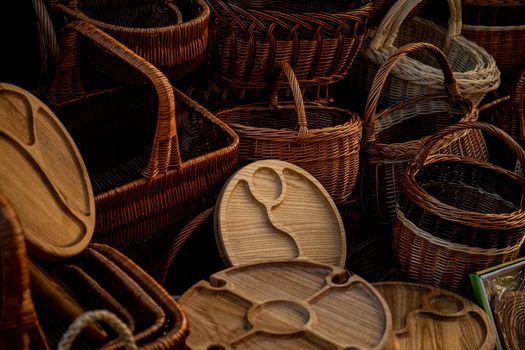
Long before sustainability became a popular concept, American basket makers practiced it out of necessity and deep respect for their environment. Indigenous communities, such as the Cherokee, Wabanaki, and Pomo, developed sophisticated basketry using local, renewable materials. These included black ash, sweetgrass, willow, river cane, and pine needles—plants that could be harvested with minimal impact and would regrow for generations to come.
In the 19th and early 20th centuries, settlers and Shaker communities also adopted similar practices. They used locally sourced materials like white oak, hickory, and reeds, ensuring that their baskets left a small ecological footprint. This careful stewardship meant that basketry did not deplete resources or harm the landscape, but instead fostered an ongoing relationship between people and nature.
Key Fact: According to a 2022 report by the American Craft Council, over 85% of traditional basket weavers surveyed used exclusively natural, biodegradable materials, and more than half practiced selective harvesting to support plant regeneration.
Eco-Friendly Techniques and Materials
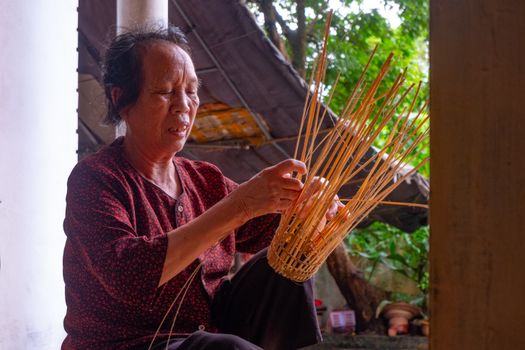
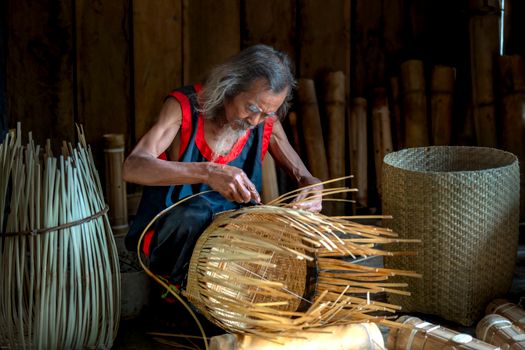
What sets American traditional baskets apart from their synthetic, mass-produced counterparts is not just their beauty, but the eco-friendly methods and materials at the heart of their creation. Artisans hand-select and prepare materials, often using time-honored techniques passed down through generations.
Common sustainable materials include: - Black ash: Harvested from living trees using a process that leaves the tree standing and able to regenerate. - Sweetgrass: Gathered by trimming rather than uprooting, preserving natural habitats. - Willow and dogwood: Pruned seasonally to promote healthy regrowth. - Longleaf pine needles: Collected from the forest floor, causing no harm to trees.No petrochemicals, plastics, or synthetic dyes are used, and waste is minimal—scraps are often composted or returned to the earth. Tools are simple: knives, awls, and hands. Many artisans also use plant-based dyes or none at all, letting the natural colors of the materials shine.
Fact: The average American traditional basket contains less than 2% non-biodegradable material by weight, compared to over 80% in most imported synthetic baskets (source: EcoArtisan Market Survey, 2023).
Comparing Environmental Impact: Traditional vs. Mass-Produced Baskets
To appreciate the sustainability of American traditional baskets, it’s useful to compare them to the typical mass-produced alternatives found in big-box stores. The differences in resource use, carbon footprint, and waste generation are striking.
| Aspect | Traditional Baskets | Mass-Produced Baskets |
|---|---|---|
| Main Materials | Natural fibers (ash, willow, sweetgrass, pine) | Plastic, synthetic fibers, imported reeds |
| Biodegradability | 95-100% | Less than 20% |
| Production Method | Handmade, low energy, zero emissions | Machine-made, high energy, factory emissions |
| Average Lifespan | 20-100+ years | 2-10 years |
| End-of-Life Impact | Compostable, returns to earth | Landfill, microplastics pollution |
| Local Economic Support | High (supports artisans and communities) | Low (profits to overseas manufacturers) |
These numbers show that choosing a traditional American basket is a clear win for the environment and for local economies.
Supporting Biodiversity and Responsible Harvesting
A crucial element of sustainable basketry is the way materials are harvested. Responsible artisans follow practices that protect ecosystems and encourage biodiversity. For example, black ash harvesters often work with conservationists to monitor tree populations, especially as threats like the emerald ash borer (a destructive beetle) put native trees at risk.
Some communities have established rotational harvesting, ensuring that no single area is overused. In Maine, the Passamaquoddy and Penobscot tribes educate new gatherers about sustainable sweetgrass collection, emphasizing the importance of leaving enough for wildlife and regrowth.
Fact: Studies from the University of Maine indicate that traditional sweetgrass gathering methods result in over 90% regrowth within one year, compared to only 40-50% regrowth in areas where overharvesting occurs.
Moreover, teaching these sustainable techniques helps safeguard not just the plants, but also the cultural knowledge tied to them. It fosters environmental stewardship and a sense of responsibility that goes beyond individual artisans.
Longevity and Circular Economy: Reducing Waste
One of the most sustainable aspects of American traditional baskets is their longevity. Well-made handwoven baskets can last for generations, serving as practical household items or treasured family heirlooms. This durability sharply contrasts with disposable, low-cost imports that quickly end up in landfills.
Traditional basketry supports the principles of a circular economy: - Reusability: Baskets are often repaired, reused, and repurposed. - Minimal Waste: Damaged baskets can be composted, returning nutrients to the soil. - Local Sourcing: Materials and production are local, reducing transportation emissions.According to the EPA, Americans discard over 12 million tons of furniture and furnishings each year, much of it made from non-biodegradable materials. By choosing traditional baskets, consumers help cut down on this waste stream.
Example: A 1920s Cherokee river cane basket, when found today, can still be used for storage or display—a testament to its quality and sustainability.
American Traditional Baskets and Modern Sustainability Movements
Today’s consumers are more aware than ever of the environmental impact of their choices. Concepts like “buy local,” “slow craft,” and “zero waste” have entered the mainstream, aligning perfectly with the values embedded in traditional basketry.
Many American basket makers are now at the forefront of the sustainable craft movement: - Using locally abundant, invasive, or underutilized plants to promote ecological health. - Offering workshops that teach sustainable harvesting and weaving techniques. - Collaborating with conservation groups to restore native plant habitats.Furthermore, supporting traditional basket makers helps preserve cultural heritage while fostering a sustainable, community-based economy. As the market for eco-friendly products grows—projected to reach $150 billion in the U.S. by 2025 (Nielsen, 2023)—American basketry offers a model for how heritage and sustainability can go hand in hand.
How to Choose and Care for Sustainable Baskets
If you’re inspired to bring American traditional baskets into your home, consider the following tips to ensure your choice is truly sustainable: - Ask about the materials: Confirm that the basket is made from local, renewable, and untreated fibers. - Learn about the maker: Support artisans who practice responsible harvesting and fair labor. - Prioritize function and versatility: Choose baskets that can serve multiple purposes, reducing the need for disposable containers. - Maintain and repair: Clean gently with a dry brush and store in a dry place. Most small repairs can be made using natural cordage or by consulting a local artisan.By investing in a traditional basket, you’re not only reducing your environmental footprint but also supporting a living craft that sustains both people and the planet.
Final Thoughts: The Enduring Value of Sustainable Basketry
American traditional baskets embody the essence of sustainable craft. Rooted in a deep understanding of local ecosystems and guided by a respect for nature, these woven works of art show us that beauty, function, and environmental responsibility can coexist. As we look to a greener future, supporting and learning from the traditions of American basketry offers a path toward more thoughtful consumption, resilient communities, and a healthier planet.