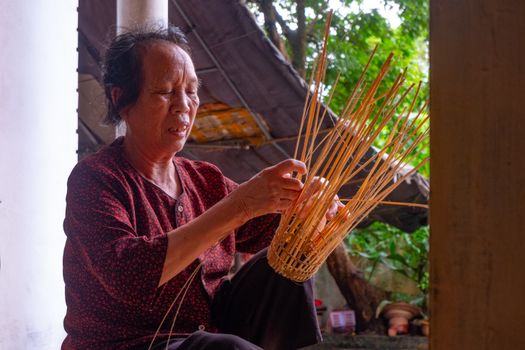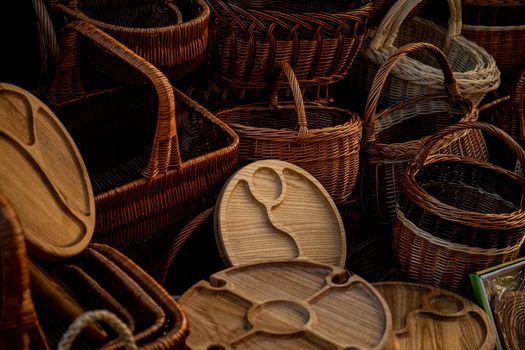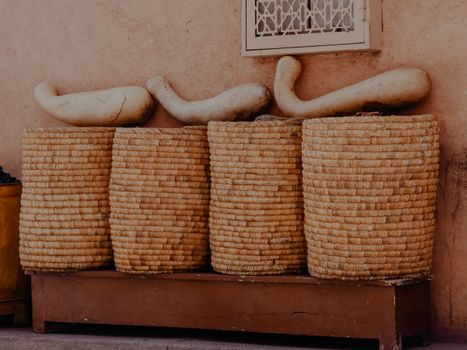
For centuries, baskets have woven their way into the very fabric of American life. Far beyond simple utilitarian objects, American traditions baskets are storied vessels—carrying the legacy of indigenous ingenuity, colonial adaptation, and a nation’s evolving identity. Today, these baskets are not just admired for their craftsmanship but revered for the history and cultural significance they embody. Understanding their historical significance offers a deeper appreciation for how these woven artifacts have connected generations, shaped communities, and reflected the changing tides of American society.
The Origins: Indigenous Roots and Early Innovations
Long before European settlers arrived, indigenous peoples across North America were already expert basket makers. Archaeological discoveries date the oldest known woven baskets in the Americas to over 8,000 years ago, found in what is now Nevada. These early baskets, crafted from local materials like willow, river cane, and sweetgrass, were essential for gathering, storing, and preparing food.
Each indigenous nation developed distinctive techniques and styles based on available resources and cultural needs. For example, the Cherokee are renowned for their double-walled baskets, the Pomo of California for feathered and beaded designs, and the Penobscot for brown ash and sweetgrass baskets. These creations were not mere tools—they were works of art, imbued with meaning through patterns and motifs that conveyed tribal identity, stories, and beliefs.
When European colonists arrived in the 17th century, they quickly recognized the utility and artistry of indigenous baskets. Early settlers often traded for these baskets, adopting and adapting weaving methods to fit their own needs. The fusion of indigenous techniques with European influences began a new chapter in American basketry, one that would evolve alongside the country itself.
Baskets in Colonial and Pioneer Life: Utility and Adaptation
By the 18th and 19th centuries, baskets were indispensable in American households, both rural and urban. Pioneers carried baskets across the continent, using them to transport goods, collect eggs, and store harvests. Each region developed its own traditional forms:
- The Shaker community became famous for their precise, utilitarian baskets, which were sold as a vital source of income. - New England whalers crafted Nantucket Lightship baskets, originally used for storage on ships but later prized as decorative items. - Appalachian settlers wove sturdy rib baskets for carrying crops and laundry.Baskets were often made in the winter months, becoming a family or community activity. Skills and patterns were passed down through generations, and many baskets from this era were signed or marked, making them traceable artifacts of American social history. According to the American Basketry Association, by the mid-1800s, more than 200 distinct basket styles were produced across the United States.
Cultural Symbolism: Baskets as Identity and Heritage
Beyond their practical value, baskets assumed powerful roles as cultural symbols. For indigenous communities, basketry became a means of preserving heritage in the face of colonization and displacement. Some tribes, like the Chitimacha of Louisiana, nearly lost their basketry traditions but revived them in the 20th century, using baskets as emblems of survival and resilience.
Similarly, African American communities in the South developed unique basket traditions, such as the iconic sweetgrass baskets of the Gullah Geechee people. These baskets, introduced by enslaved Africans, were integral for rice cultivation and are now celebrated as a living link to African heritage.
In the 20th and 21st centuries, baskets have played roles in social movements and cultural revival. They are featured in museums, art galleries, and festivals, not just as artifacts, but as living expressions of identity and pride. The National Museum of the American Indian and the Smithsonian both feature extensive basket collections, highlighting their ongoing significance.
Economic Impact: Baskets as Livelihood and Commerce
Historically, baskets were not only household necessities but also vital economic goods. Women, in particular, contributed to family income by selling baskets at markets and fairs. In some communities, basket making was a primary source of livelihood, supporting entire villages or tribes.
The commercial appeal of American traditions baskets surged in the late 19th and early 20th centuries, spurred by the Arts and Crafts Movement. Collectors and tourists sought out handcrafted baskets, leading to the establishment of cooperatives and craft guilds. For instance, the Eastern Band of Cherokee Indians launched the Qualla Arts and Crafts Mutual, Inc. in 1946, which remains a major source of income for tribal artisans.
Today, the U.S. handmade basket market is valued at over $100 million annually, according to a 2023 report by the American Craft Council. This economic dimension underscores how traditional baskets remain relevant—not just as cultural icons, but as contributors to local and national economies.
Comparing Traditions: Regional Styles and Techniques
The diversity of American traditions baskets is staggering, reflecting the country’s vast geography and multicultural heritage. Below is a comparative overview of some of the most iconic regional styles, showcasing their unique features:
| Region/Group | Materials Used | Signature Features | Historical Use |
|---|---|---|---|
| Cherokee (Southeast) | River cane, white oak, honeysuckle | Double-walled, geometric patterns, dyed materials | Food gathering, storage, ceremonial |
| Gullah Geechee (South Carolina) | Sweetgrass, bulrush, pine needles, palmetto | Coiled technique, intricate designs | Rice winnowing, household use |
| Shaker (Northeast) | Ash, maple, oak | Clean lines, functional, nesting sets | Food storage, market sales |
| Navajo (Southwest) | Sumac, yucca, willow | Coiled, symbolic motifs, ceremonial use | Storage, ceremonial (wedding baskets) |
| Pomo (California) | Willow, sedge root, redbud, feathers, beads | Miniature, beaded, feathered designs | Gift giving, ceremonial, trade |
This table highlights just a few of the hundreds of distinct basket traditions found across the United States, each reflecting the environment, social structure, and values of its makers.
Preservation Efforts: Safeguarding Basket Traditions for the Future
With modernization and industrialization, traditional basket making faced steep decline in the 20th century. Mass-produced containers replaced handmade baskets, and younger generations often moved away from ancestral crafts. However, renewed interest in heritage and sustainability has sparked efforts to preserve and revive basket traditions.
Organizations such as the National Basketry Organization, the Indian Arts and Crafts Board, and numerous tribal and local groups provide workshops, grants, and apprenticeships. These initiatives not only teach technical skills but also ensure the survival of cultural knowledge. In recent years, the Library of Congress has documented oral histories from master basket makers, preserving stories that might otherwise be lost.
The impact is tangible: between 2010 and 2020, the number of basket weaving apprenticeships in the U.S. increased by 35%, according to the Craft Heritage Institute. These programs help bridge generational gaps and foster pride in heritage among younger Americans.
American Traditions Baskets: Legacy and Contemporary Relevance
The historical significance of American traditions baskets is undeniable. These woven vessels are more than objects—they are repositories of memory, skill, and identity. From the earliest indigenous baskets to the creations of modern artisans, they embody the resourcefulness and creativity of the American people.
Today, American traditions baskets are celebrated not just as museum pieces but as vibrant, living crafts. They appear in homes as décor, in markets as functional art, and in ceremonies as sacred objects. Their continued relevance is a testament to the enduring power of tradition, adaptation, and community.