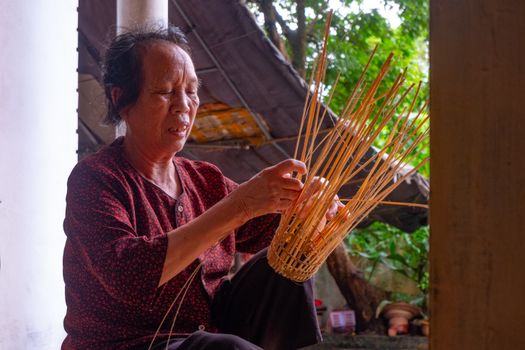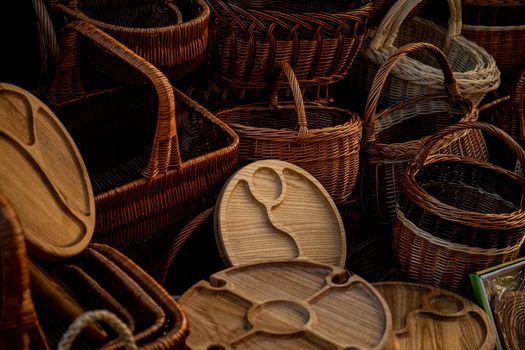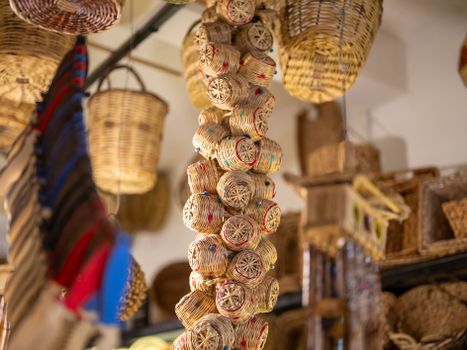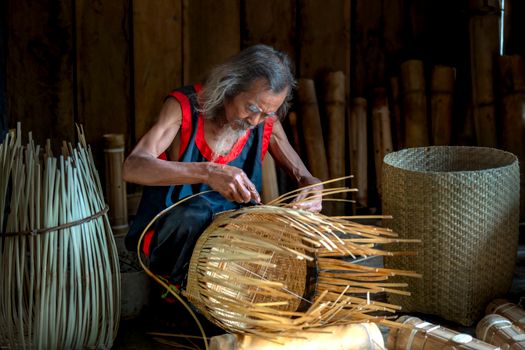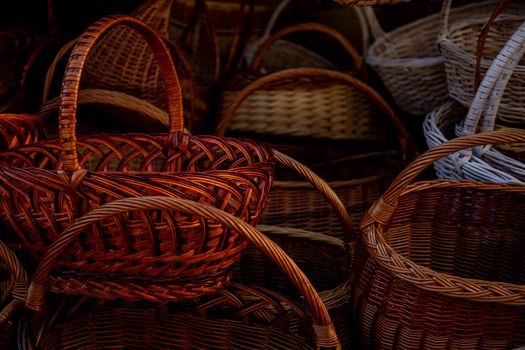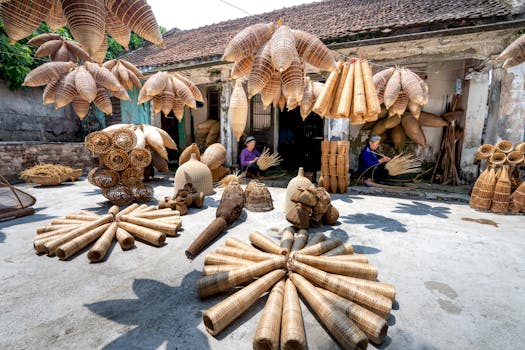
Basket weaving is one of the oldest crafts in the Americas, bridging ancient traditions with modern artistry. While baskets are often seen as mere objects of utility or decoration, their significance in American culture runs far deeper. From the hands of Native American artisans to the rural communities of Appalachia and the coastal Gullah people, basket weaving has served as a vital thread in the fabric of American life—carrying stories, sustaining economies, and preserving identities. To truly appreciate the cultural importance of basket weaving in America, we must explore its historical roots, social meanings, regional diversity, and ongoing revival in a rapidly changing world.
The Ancient Roots of American Basket Weaving
Basket weaving in America predates European contact by thousands of years. Archaeological evidence reveals that Indigenous peoples were crafting baskets as early as 10,000 BCE, making it one of the continent's oldest known arts. These early baskets were not merely functional; they were technological marvels adapted to local environments. For example, the Ancestral Puebloans (Anasazi) of the Southwest created tightly-woven water baskets, while California tribes developed coiled baskets so finely crafted they could hold seeds and water.
By the time Europeans arrived, basketry had developed into a highly specialized art form across hundreds of tribes. Each group had its own techniques, materials, and symbolic motifs. The Pomo people of California were renowned for their feathered baskets, while the Cherokee mastered double-walled river cane baskets. In many Native societies, basketry was essential for gathering, cooking, storage, and ceremonial use, and mastery of the craft was a rite of passage for young women.
Today, some of these traditions continue unbroken, while others are being revived through cultural preservation efforts. According to the National Museum of the American Indian, over 200 distinct Indigenous basket weaving traditions have been documented in North America, each with unique patterns, materials, and purposes.
Basket Weaving as a Social and Economic Lifeline
Basket weaving has served as a crucial economic lifeline for diverse American communities. In the 19th and early 20th centuries, as industrialization swept across America, basketry provided supplemental income for rural and marginalized populations. Appalachian white oak baskets, Shaker baskets from New England, and Gullah sweetgrass baskets of South Carolina became commodities in local and national markets.
For African American communities in the Lowcountry, sweetgrass basketry was both a means of survival and a quiet act of cultural resistance. Descendants of enslaved Africans, known as the Gullah or Geechee, adapted West African coiling techniques using local materials. Their baskets—originally used for rice cultivation—became a vital part of the Charleston economy and are now recognized as a symbol of cultural endurance. Today, sweetgrass baskets can fetch anywhere from $50 to over $1,000, depending on intricacy and size.
In Native communities, basket sales have helped fund schools, sacred ceremonies, and healthcare. The economic impact is significant: a 2016 report by the First Peoples Fund found that Native American artists, including basket weavers, contribute over $1 billion annually to the U.S. economy.
Symbolism and Storytelling Through Basket Weaving
Beyond utility and commerce, baskets carry deep symbolic meaning. Designs are often specific to family, clan, or tribe, and the act of weaving itself is laden with ritual and storytelling. For example, the Hopi people use basketry in katsina ceremonies, where the patterns woven into plaques represent prayers for rain and fertility. In the Pacific Northwest, the Tlingit and Haida weave baskets with crest motifs, signifying lineage and rights to certain stories or songs.
The motifs and techniques passed down through generations become a living language, one that encodes histories, spiritual beliefs, and social identities. Some baskets commemorate significant events, such as weddings or harvests, while others are used in healing rituals or as offerings. The act of gathering materials—be it river cane, pine needles, or sweetgrass—is itself a ritual, fostering a deep connection to the land.
Baskets often serve as visual records, preserving oral histories that might otherwise be lost. In 2020, the Smithsonian Institution launched the "Baskets as Living Tradition" initiative to document basket weavers' stories, underscoring the craft's role as an archive of American life.
Regional Diversity: A Tapestry of Traditions
Basket weaving in America is far from monolithic; it is a patchwork of regional styles, materials, and meanings. The differences are shaped by geography, available resources, and cultural exchange.
| Region | Signature Material | Notable Basket Type | Cultural Group |
|---|---|---|---|
| Southwest | Willow, sumac, yucca | Coiled water jars | Hopi, Navajo, Apache |
| California | Redbud, sedge, bulrush | Feathered baskets, seed beaters | Pomo, Miwok, Yokuts |
| Pacific Northwest | Cedar bark, spruce roots | Burden baskets, hats | Tlingit, Haida, Salish |
| Southeast | River cane, pine needles | Double-walled baskets | Cherokee, Choctaw |
| Appalachia | White oak, hickory | Egg baskets, market baskets | European American settlers |
| Lowcountry (South Carolina) | Sweetgrass, palmetto | Fanner baskets | Gullah/Geechee |
Each region's approach is shaped by necessity and creativity. In the arid Southwest, tight coils prevent water leakage, while in the rainy Pacific Northwest, baskets are designed to withstand damp conditions. Appalachian baskets are prized for their durability and were essential for transporting eggs and produce to market.
Modern Revival and the Future of Basket Weaving in America
While traditional basketry faced decline in the mid-20th century due to mass production and changing lifestyles, recent decades have seen a revival fueled by cultural pride, sustainable practices, and renewed interest in handmade goods. Museums, festivals, and art programs have played a significant role in preserving and revitalizing these traditions.
The John C. Campbell Folk School in North Carolina, for example, offers workshops in Appalachian basketry, while the California Indian Basketweavers’ Association supports Indigenous artists and advocates for land access to gather materials. In 2023, over 1,200 basket weaving workshops were held across the United States, attracting participants from all walks of life.
Contemporary basket artists are innovating with form and function, blending traditional techniques with modern aesthetics. Some incorporate recycled materials, while others use basketry as a medium for social commentary or environmental activism. According to a 2021 survey by the American Craft Council, interest in heritage crafts like basket weaving increased by 35% during the COVID-19 pandemic, reflecting a broader desire for connection and creativity.
Digital platforms have also created new opportunities. Artisans now sell their work on Etsy, Instagram, and at virtual craft fairs, reaching audiences far beyond their local communities. This digital transformation is helping to ensure the survival and evolution of American basket weaving for generations to come.
Basket Weaving’s Enduring Influence on American Identity
Basket weaving is more than a craft; it is a living tradition that continues to shape American identity. Through baskets, we glimpse the ingenuity, resilience, and artistry of those who came before us. They are vessels not just for carrying goods, but for carrying memory, meaning, and hope.
From museum exhibitions to family hearths, baskets remind us of our interconnectedness with the land and with each other. Their patterns echo the rhythms of rivers, forests, and fields—each weave a testament to patience, skill, and community. As more Americans seek to reclaim lost traditions and foster sustainable ways of living, basket weaving offers both a link to the past and a path forward.